Snoring & Sleep Apnea
Widening
Narrowed Airways
with
3D & AI-Guided
Maxillomandibular
Advancement
For better breathing and truly
restful sleep,
our Seoul National
University-trained oral and
maxillofacial surgeon
personally
oversees every step, from consultation
and surgery to final suturing.

- 4,000+ cumulative double jaw
/ facial contouring surgeries

- Establishing safe surgical plans
through our proprietary
3D/AI-driven virtual simulations

- Availability of an anesthesiologist
and a nurse anesthetist

- 24/7 Medical Staff on Duty:
Attentive, personalized inpatient
care
within our specialized
Safety Surgery Center


MACS Oral and Maxillofacial Surgery
CLINIC
- Surgery time
- 2 to 2.5 hours
- Anesthesia method
- General anesthesia
- Inpatient treatment
- 2 nights and 3 days
- Outpatient visit
- once a week
- Recovery period
- at least 3 weeks
3D & A.I. Maxillomandibular Advancement
What Is Maxillomandibular
Advancement (MMA)?
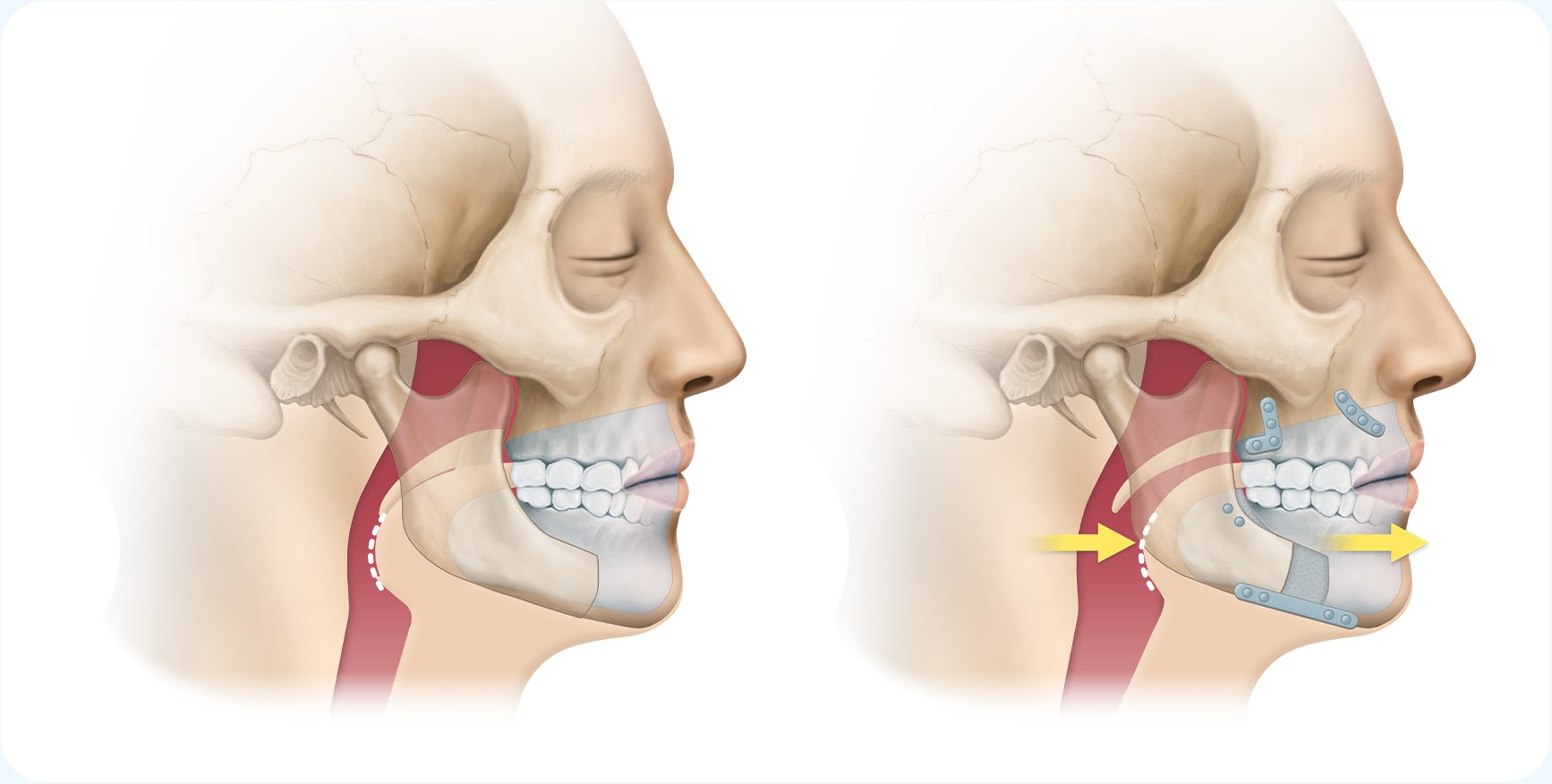
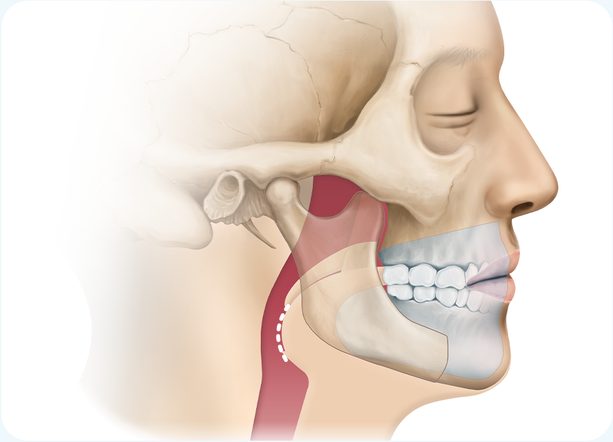
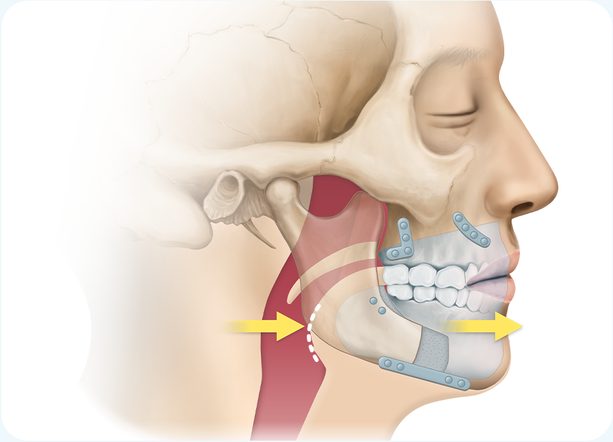
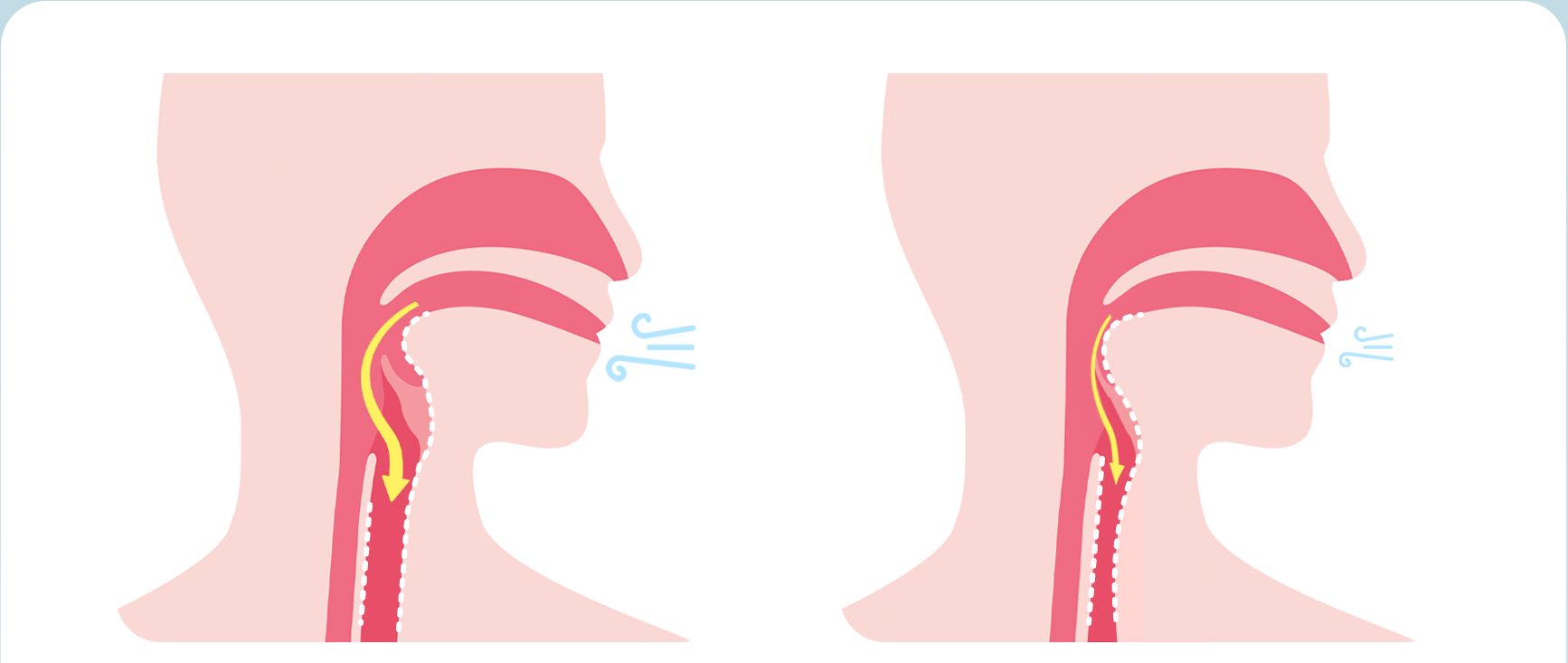
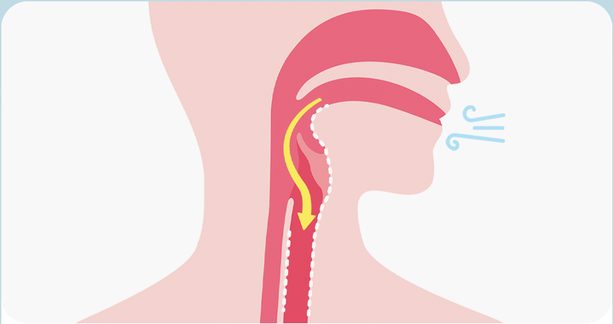
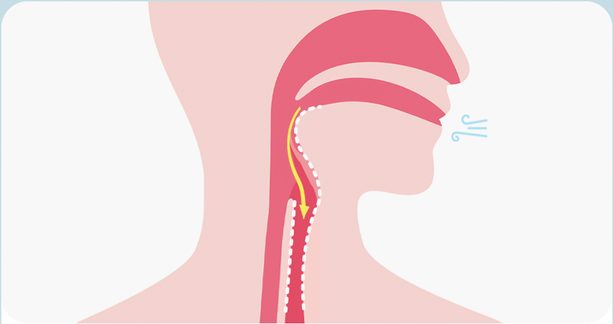
Maxillomandibular advancement (MMA)
is a surgery for patients with obstructive sleep apnea.
It moves both the upper and lower jaws forward
and fixes them in place,
widening
the narrowed airway while also improving
a retruded midface and lower face.
Sleep Apnea
Is More Than Just Snoring!

Doctor, Could My Snoring Be
a Sign of Sleep Apnea?
Obstructive sleep apnea (OSA) is
A condition in which breathing repeatedly stops
or becomes shallow during sleep,
causing loud snoring or frequent awakenings.
Approximately 80% of patients with sleep apnea
experience obstructive sleep apnea,
in which
the airway physically narrows and causes snoring.
Obstructive sleep apnea can prevent sufficient oxygen
from reaching the brain and heart during sleep,
increasing the risk of conditions such as
high blood pressure, heart attack, stroke, and diabetes.

Symptoms of Sleep Apnea
Sleep apnea is not simply a snoring problem.
Snoring is only an audible symptom associated
with sleep apnea,
whereas sleep apnea involves
actual pauses in breathing
lasting 5–10 seconds
or longer during sleep.
Because it can pose
serious health risks, active treatment is essential.

NIGHT
During Sleep
- Loud snoring
- Feeling like breathing stops during sleep
- Frequently waking up gasping for air
- Frequent awakenings or restless sleep
- Feeling unrefreshed even after a full night's sleep

DAY
While Awake
- Frequent headaches
- Excessive daytime sleepiness and fatigue
- Difficulty concentrating or remembering things
- Increased irritability or low mood
Untreated Sleep Apnea
Can Lead to
More Than Just Fatigue
If sleep apnea and snoring are left untreated,
the consequences go beyond persistent fatigue.
When the brain and heart do not receive enough oxygen
during sleep,
cardiovascular and cerebrovascular
health may be affected, as well as mental health,
including depressed mood.
The longer breathing stops,
the greater the strain on the body,
and severe cases can lead to dangerous situations.
- Heart Attack · Angina
- Hypertension
- 1.5x Higher Risk of Stroke
- Growth Problems (Children & Adolescents)
- 3x Higher Risk of Coronary Artery Disease
- Depression · Anxiety
- Arrhythmia
- Diabetes
- Risk of Sudden Death
- Dementia
- Difficulty Concentrating
- Sexual Dysfunction
- Obesity
Who Should Consider
Maxillomandibular
Advancement?
-
 01
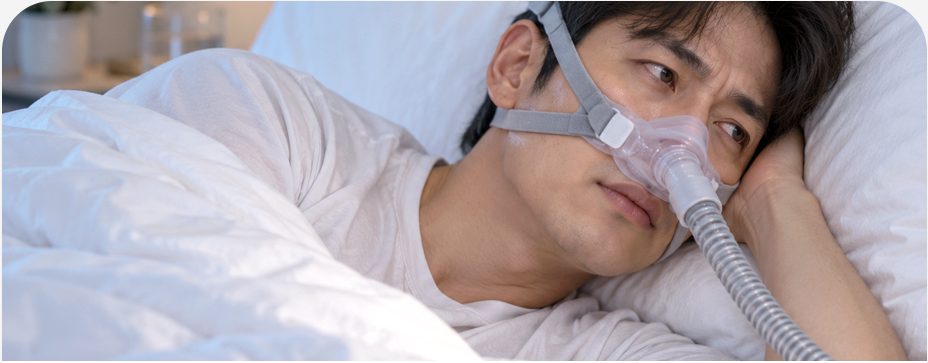
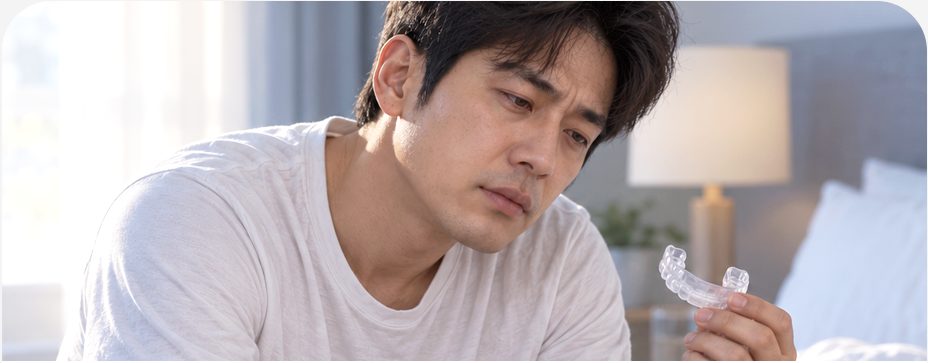
Those who have discontinued treatment
due to difficulty using
a CPAP machine every night. -
 02
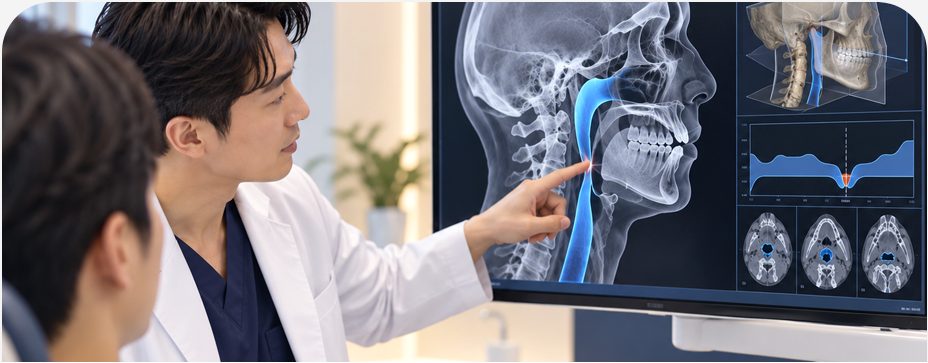
Those who have not experienced
sufficient improvement
with oral appliances
or other surgical treatments. -
 03
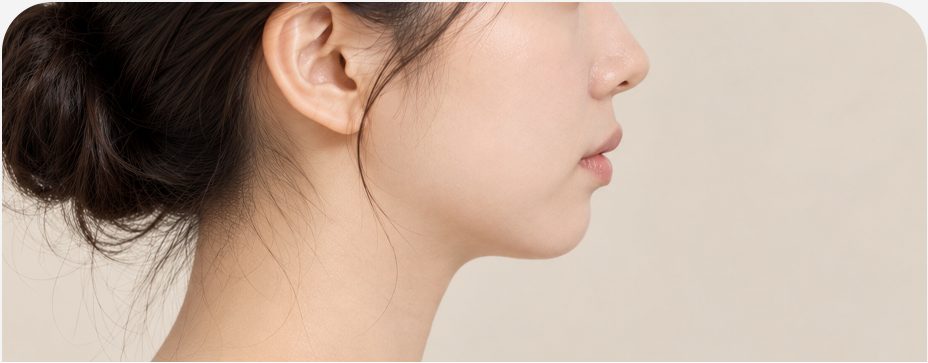
Those whose airway is narrowed
due to
a retruded jaw
or underlying skeletal structure. -
 04
Those who wish to address facial concerns
such as
a receding chin or sunken midface
alongside airway issues.


3D & A.I. Maxillomandibular Advancement
Benefits of MACS
Maxillomandibular
Advancement (MMA)
-
01Surgery to Widen the Airway
As the upper and lower jaws move forward together,
the airway
behind the nose, palate, and tongue becomes wider.
Sleep apnea
and snoring symptoms may decrease,
allowing for more comfortable sleep. -
02Facial Projection and Jawline
As both jaws move forward,
a retruded midface and lower face may gain projection,
and the jawline may become more defined. -
03A More Refreshed Appearance
The advanced bones support
sagging soft tissues from within,
potentially softening a tired or aged appearance. -
04We Plan for
Both Function and AestheticsThrough 3D AI virtual surgery,
we aim to secure adequate airway space
while planning the amount of advancement
and direction of rotation
to avoid excessive facial protrusion.
3D & A.I. Maxillomandibular Advancement
Maxillomandibular Advancement
Surgical Process
-
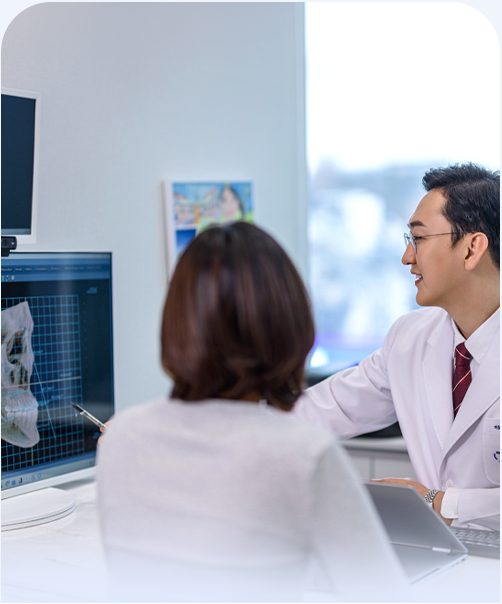
Sleep study
and
airway assessmentUse 3D CT to identify
the location
and degree
of airway narrowing -
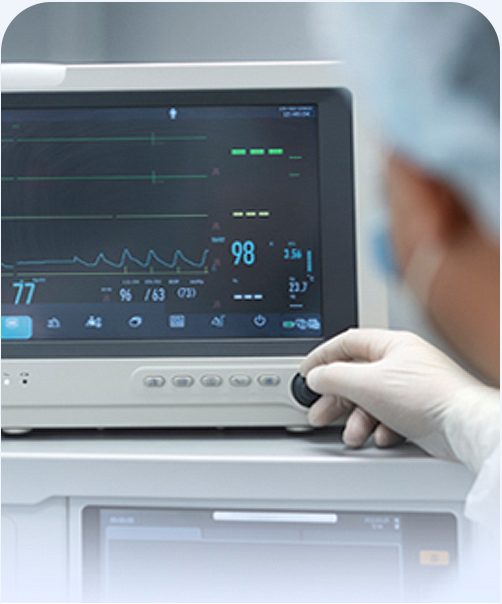
General Anesthesia
General anesthesia
administered
by
an anesthesiologist -
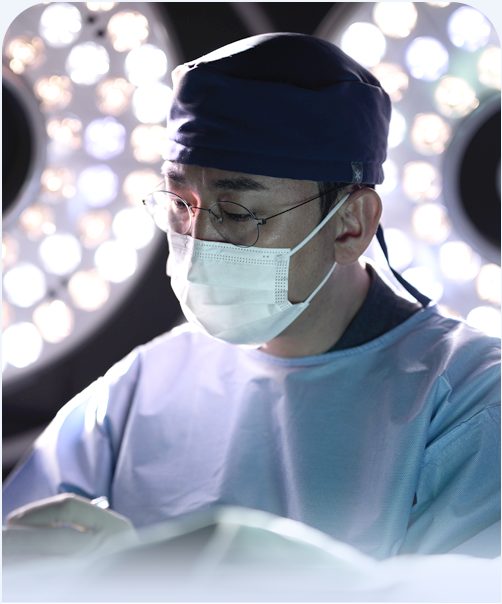
Maxillomandibular
Advancement (MMA)Following a
3D AI virtual surgical plan,
both the upper and lower jaws
are moved forward together
to open up the airway -
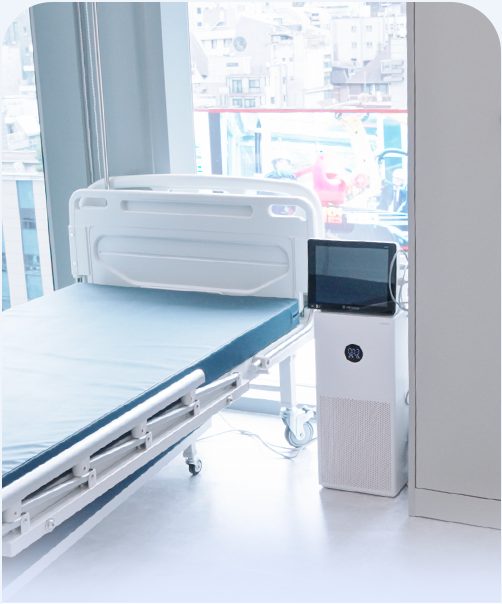
Admission
after surgeryPatient will be admitted
as an inpatient for 3-4 days


3D AI Maxillomandibular Advancement
Precautions before
and after
- Fast for at least 8 hours the day before surgery.
- Liquid diet for 1 week after surgery.
- Only brush your teeth with a small toothbrush
and tap water. - Vigorous exercise is not recommended
for 4 to 6 weeks after surgery. - Cough or sneeze with your mouth open.
- Abstain from alcohol and tobacco for 2 months.